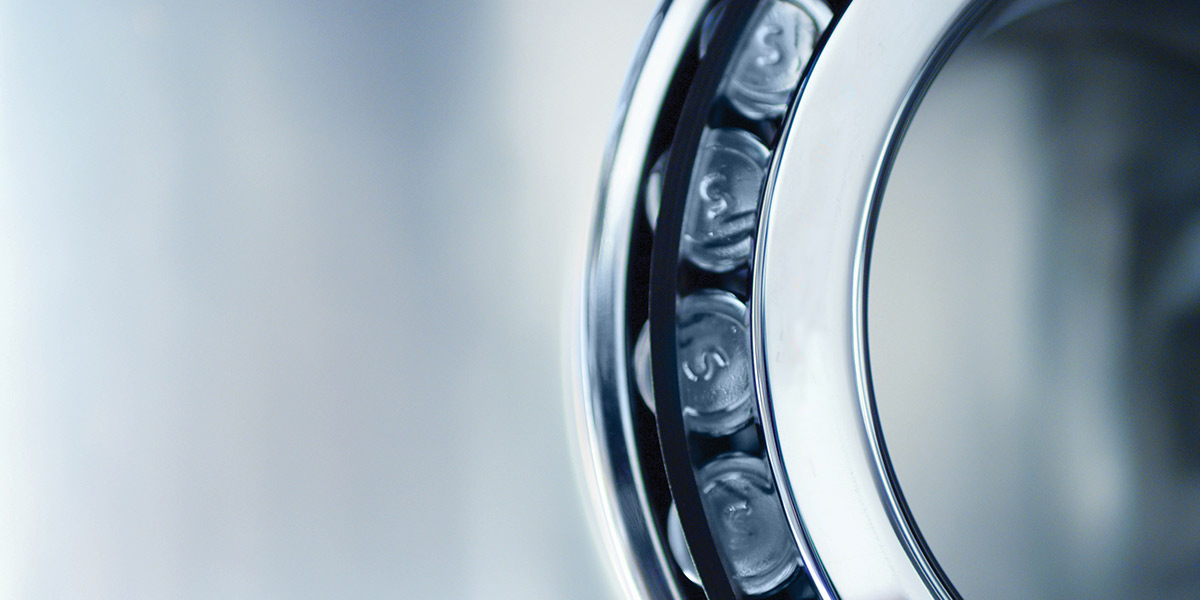
Thrust Ball Bearings
Thrust ball bearings support loads that act along the axis of a shaft. They are used by maintenance and engineering teams that need to control axial movement while keeping machinery running smoothly. Choosing a suitable bearing means considering more than its dimensions. Load direction, operating speed, lubrication and the mounting arrangement all affect the choice.
Antifriction supplies thrust ball bearings as part of its wider range of bearings, supporting maintenance and engineering teams with product selection. Browse the product catalogues below to compare specifications or contact our team for help identifying a suitable bearing for your operating conditions.
What are thrust ball bearings used for?
A thrust ball bearing is designed to support axial load, meaning force that acts parallel to the shaft. It is not intended to carry radial load.
They are ideal for moderate-speed applications requiring rigid axial guidance.
Common thrust bearing applications include pumps, machine tools and agricultural equipment where the shaft needs to be held in a controlled axial position.
The correct bearing will depend on the direction of the load and the operating speed. Alignment and the available mounting space also need to be considered.
Selecting the right design can support reliable operation and reduce the risk of premature bearing wear.
Types of thrust ball bearings
Different designs are available to suit the load direction and mounting arrangement:
- Single-direction thrust ball bearings support axial load in one direction.
- Double-direction thrust ball bearings support axial load in both directions.
- Flat seat designs are used where the supporting surfaces are accurately aligned.
- Aligning seat designs can help accommodate small initial mounting errors.
The bearing arrangement should be selected around the application rather than dimensions alone. Antifriction can help you compare the available options and confirm whether a ball thrust bearing is suitable.
How to prevent unloading and preload thrust ball bearings
Thrust ball bearings need sufficient axial load to keep the rolling elements correctly positioned. This is particularly important at higher operating speeds or where the shaft is horizontal.
Preload applies a controlled axial force to the bearing. The correct value depends on the bearing design and application, so a standard figure should not be used without checking the manufacturer’s data.
to our technical team if you need help confirming minimum load or preload requirements.
How to install thrust ball bearings
Correct installation helps protect the bearing and surrounding components. Before fitting:
- Keep the bearing and mounting area clean.
- Identify the shaft washer and housing washer correctly.
- Check the orientation before applying mounting force.
- Make sure the supporting surfaces are aligned and suitable for the load.
- Always follow the selected manufacturer’s guidance for mounting fits and lubrication.
For support choosing or installing a thrust ball bearing, contact us today.
Our thrust ball bearing product catalogues
Our product catalogues provide the technical information needed to compare thrust bearing options. They include dimensions, load ratings and speed limits, along with manufacturer product references.
If you are replacing an existing bearing or working from limited product information, contact our teamfor help checking the specifications.
 Antifriction